What Documents Are Needed for an Asylum Claim in New Jersey
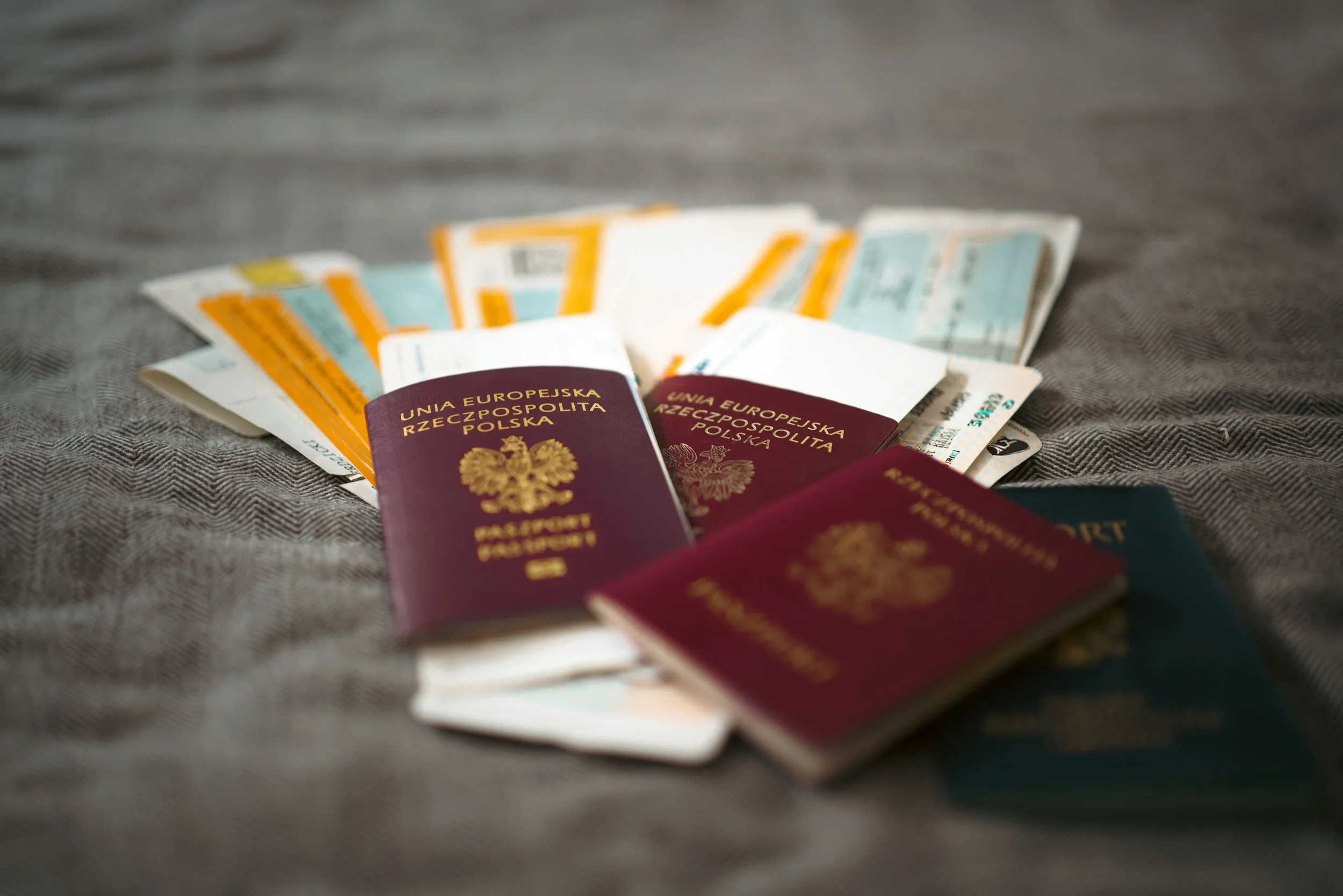
An asylum claim in the United States is built on Form I-589, your written personal declaration, identity documents such as a passport or birth certificate, and corroborating evidence that supports what happened to you. Corroborating evidence can include medical records, police reports, country conditions reports, affidavits from witnesses, and a psychological evaluation. If you're preparing a case in New Jersey, your attorney will confirm which of these your specific claim needs, because no two cases require the same file.
Which documents do the most work in an asylum case
Your declaration is the spine of the claim. Every other document in the file exists to do one of two things: confirm a detail in your declaration or explain why a detail can't be confirmed. Adjudicators read for consistency far more than volume, so a thin file where everything lines up is stronger than a thick one with contradictions.
That standard shapes what your attorney asks you to gather. A hospital record from the month you describe being harmed does more than ten character letters. A news article about the event you fled does more than a general report about your country. The closer a document sits to your specific account, the more it matters.
What if you fled without any paperwork
If you're reading this because you left with almost nothing, that gap is more common in asylum cases than the document lists suggest. The law does not expect you to produce records that were impossible to obtain, but the gaps have to be explained, and where possible, filled another way.
This is where clinical evidence often enters a case. Among the documents your attorney may ask you to gather, an immigration psychological evaluation carries a different kind of weight, because it translates what happened to you into clinical findings an immigration judge can consider as evidence rather than testimony alone.
There's a second function that surprises applicants. Trauma changes how memory stores events, so a truthful account of persecution can come out fragmented, out of order, or missing dates. To an adjudicator, that can look like inconsistency. A clinical report documents why memory works this way after trauma, which protects your credibility on exactly the points where your story is hardest to tell.
Where an evaluation fits alongside everything else
The evaluation itself is a structured clinical process, separate from therapy. It involves an in-depth clinical interview and a written report prepared for your legal case, and I complete it by telehealth from anywhere in New Jersey where you have a private, comfortable space. My training and qualification are specifically in psychological assessment and written reports in support of immigration and asylum claims, and pro-bono evaluation services are available if your financial means are limited.
Asylum is only one of several case types where clinical documentation matters; immigration assessments also support VAWA petitions, T and U visa applications, and N-648 competency waivers, and the documentation standards differ for each. If your attorney has mentioned one of those, the evaluation process looks similar even though the report addresses different legal questions.
Can I still apply for asylum if I have no proof of what happened to me?
Yes. Credible testimony alone can be enough under US asylum law, though corroboration is expected where it's reasonably available. Your declaration, country conditions evidence, and a psychological evaluation can together carry a case that has no photographs, records, or witnesses, because each one supports the others from a different direction.
Is a psychological evaluation required for asylum?
No, it isn't required. Attorneys request one when the psychological impact of persecution is central to the claim, when documents are missing, or when trauma is likely to affect how their client testifies. If your attorney has suggested it, it's usually because they've identified one of those situations in your file.
How long do I have to file my asylum application?
Generally one year from your last arrival in the United States, with limited exceptions for changed or extraordinary circumstances. Only your attorney can confirm whether an exception applies to you, and that deadline is one reason evidence gathering in New Jersey asylum cases tends to move quickly once a case begins.
A next step you can take this week
You don't need to have your documents sorted before reaching out, and a free consultation costs you nothing but the conversation. Filing deadlines in asylum cases rarely leave room for delays, so if an evaluation is part of what your case needs, you can contact me directly to talk through scheduling before your timeline gets tight.